...

Graphic Design

what is graphic design

What is Graphic Design? The perfect to start as a beginner

All Post What is graphic design? The perfect guide to start as beginner Author: Nived V Achar | Creative Head at Epixable Academy Graphic design is the art of visual communication that focuses on creating meaningful visual content to convey ideas, messages, and emotions effectively. It involves the thoughtful use of typography, images, colors, shapes, and layout to communicate information in a clear and visually appealing way. Beyond aesthetics, graphic design serves a purpose by guiding attention, enhancing understanding, building brand identity, and influencing perception. Whether used in logos, websites, advertisements, or social media, graphic design transforms ideas into impactful visuals that connect with audiences and make communication more engaging and memorable 9 TYPES OF GRAPHIC DESIGN 01. Logo & Branding Design Logo and branding design is the process of creating a strong visual identity that represents a brand or company and communicates its values, personality, and purpose. It involves designing logos, selecting color palettes, typography, and visual styles that work together consistently across all platforms. A well-crafted branding system helps a brand stand out, builds recognition, and creates trust with its audience. More than just visuals, logo and branding design shape how people perceive a business, ensuring that every visual element reflects the brand’s message and leaves a lasting impression. 02. Poster & Advertisement Design Designing posters, flyers, banners, and advertisements plays a vital role in promoting products or services by capturing attention and delivering clear messages quickly. These designs combine compelling visuals, effective typography, and strategic layouts to communicate key information and influence audience decisions. Whether for print or digital platforms, well-designed promotional materials help increase brand visibility, attract potential customers, and drive engagement. By balancing creativity with purpose, promotional design ensures that marketing messages are not only visually appealing but also impactful and memorable. 03. Social Media & Digital Design Creating posts, stories, thumbnails, and banners for Instagram, Facebook, websites, and advertisements is an essential part of modern digital marketing. These visual assets are designed to grab attention instantly, communicate messages quickly, and engage audiences across multiple platforms. By using the right mix of colors, typography, imagery, and layout, social media and digital designs help strengthen brand identity, increase reach, and boost interaction. Effective digital visuals are not only eye-catching but also strategically crafted to align with platform requirements and marketing goals, ensuring consistent and impactful online presence. 04. Website & App Design Creating posts, stories, thumbnails, and banners for Instagram, Facebook, websites, and advertisements is an essential part of modern digital marketing. These visual assets are designed to grab attention instantly, communicate messages quickly, and engage audiences across multiple platforms. By using the right mix of colors, typography, imagery, and layout, social media and digital designs help strengthen brand identity, increase reach, and boost interaction. Effective digital visuals are not only eye-catching but also strategically crafted to align with platform requirements and marketing goals, ensuring consistent and impactful online presence. 05. Book & Magazine Design Designing books, magazines, brochures, and catalogs focuses on organizing content in a clean, structured, and visually appealing way to ensure readability and clarity. This type of design involves careful useof typography, spacing, alignment, and layout to guide readers smoothly through the content. A well-designed publication enhances the reading experience, makes information easy to understand, and adds professionalism to the material. By balancing aesthetics with functionality, publication design ensures that content looks neat, engaging, and visually consistent across every page. 06. Packaging Design Designing product boxes, labels, and wrappers plays a crucial role in attracting customers and creating a strong first impression. Packaging design combines colors, typography, imagery, and structure to reflect the brand’s identity while clearly communicating product information. Eye-catching and well-thought-out packaging not only stands out on shelves but also builds trust and influences buying decisions. Effective packaging design balances visual appeal with functionality, ensuring the product looks appealing, feels premium, and connects with the target audience instantly. 07. Motion Graphics Design Motion graphics design combines graphic design, animation, and storytelling to create dynamic visual content that moves and engages audiences. It involves animating text, shapes, icons, illustrations, and visuals to explain concepts, promote brands, and enhance digital experiences. Widely used in videos, advertisements, social media, presentations, and user interfaces, motion graphics help capture attention quickly and convey messages in a clear, engaging, and memorable way. By adding motion and timing to design, motion graphics transform static visuals into compelling narratives that connect with viewers emotionally and visually. 08. Signboard & Event Designing signboards, event banners, stall designs, and display boards focuses on creating impactful visuals that communicate messages clearly in physical spaces. These designs are crafted to grab attention from a distance, guide audiences, and enhance brand presence at events, exhibitions, and public areas. By using bold typography, strong visuals, and clear layouts, effective display design ensures information is easy to read and visually engaging. Well-designed outdoor and event graphics not only attract visitors but also create a memorable experience and reinforce brand identity. 09. Illustration & Infographics Creating drawings and visual charts is an effective way to explain ideas or data in a simple and easy-to-understand manner. By transforming complex information into visuals such as illustrations, infographics, and diagrams, this form of design helps audiences grasp concepts quickly and retain information better. Visual representations improve clarity, enhance engagement, and make data more accessible across presentations, reports, and digital platforms. Well designed visual charts and illustrations turn information into meaningful insights, making communication more impactful and visually appealing.

What is Graphic Design? The perfect to start as a beginner Read More »
Stranger Things

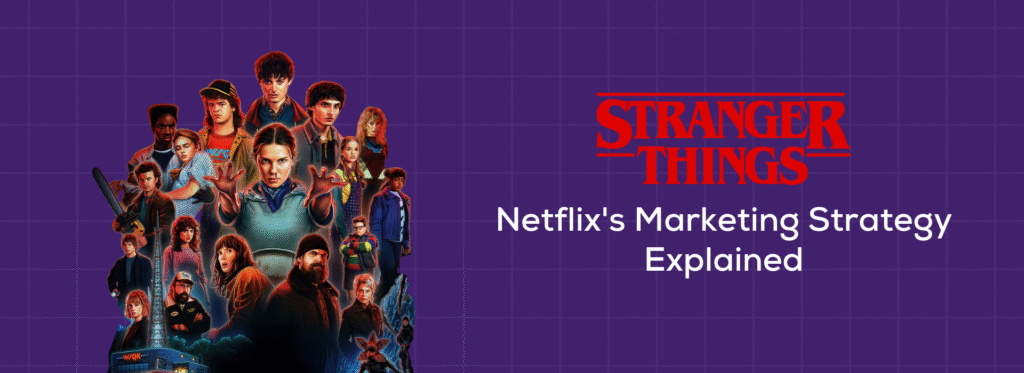
Stranger things: Netflix’s Marketing Strategy Explained

All Post Stranger things Netflix’s Marketing Strategy Explained Stranger Things isn’t just a show anymore — it’s a global emotion. When Season 5 finally arrived, the internet exploded. Fans rushed to Netflix the moment it dropped. Memes took over Instagram. TikTok went wild. News headlines screamed record-breaking numbers. And while we all enjoyed the chaos in Hawkins and the Upside Down, something much bigger was happening behind the scenes… Netflix wasn’t just releasing the final season — Netflix was executing one of the smartest marketing strategies the streaming world has ever seen. From transforming metros into Upside Down portals, to launching immersive fan events across continents, to tapping into nostalgia at the perfect moment — Stranger Things Season 5 became a global marketing masterclass. And the result? Millions of subscribers, massive buzz, and Netflix once again at the center of pop culture. In this case study, we’re going deep into: How Stranger Things became Netflix’s ultimate subscriber magnet How Season 5 was marketed across every stage of the funnel How India became a major part of the marketing strategy What digital marketers can learn from Netflix to grow any brand If you’re a marketer, student, creator, or someone who just loves Stranger Things — this breakdown will change the way you look at marketing forever. Let’s enter the Upside Down of Netflix’s strategy… How popular is Stranger Things? Before we talk about marketing, we need to understand the power of the product. Record-breaking numbers Stranger Things is Netflix’s biggest English-language show. Season 4 already held a top spot in the “most-watched English series” list with over 140 million views in its first 30 days.  When Stranger Things Season 5 (final season) dropped, the first volume pulled in 59.6 million views in just six days, making it the biggest English-language premiere week in Netflix history. So from a marketing point of view, Stranger Things is: A tent-pole IP (intellectual property) that can attract new users, bring back old users, and make existing subscribers stay longer. Source : instagram Stranger Things Marketing Strategy (Positioning) To use a show as a growth engine, Netflix first had to shape the brand of Stranger Things in the audience’s mind. One show, multiple hooks Netflix didn’t sell Stranger Things as just a “horror show” or just a “teen drama”. They positioned it as a multi-layered experience: For teens & young adults: a show about friendship, growing up, and fighting monsters For 80s and 90s kids: a nostalgic trip to old music, old bikes, old games For families: a story-driven series they can binge together For genre fans: a mix of horror, sci-fi, mystery and emotional drama This multi-hook positioning made it easier to promote the show to different audience segments with different creatives and messages. A strong visual identity Stranger Things has one of the most recognizable visual identities in entertainment — from its red and black neon style, creepy Upside Down vines, flickering lights, and monster imagery to its retro 80s typography and color palette. These elements are used everywhere across the marketing ecosystem: trailers, posters, metro wraps, AR experiences, fan events, and branded activations like InstaStrange. For marketers, this is a perfect example of how a strong, consistent visual language helps a campaign stand out instantly, making the show memorable across every platform and touchpoint. How Netflix used Stranger Things popularity to attract more subscribers Season 5 as a global “One Last Adventure” event Netflix launched Stranger Things 5: One Last Adventure fan events in cities across Europe, Asia and the Middle East (Tokyo, Bangkok, Warsaw, Riyadh, Manila, Kuala Lumpur, etc.) Immersive Hawkins & Upside Down SetsVisitors walked through full-scale replicas of iconic locations like Hawkins High corridors, Eddie’s trailer, Vecna’s lair, and Upside Down portals — designed for fans to experience scenes they’ve only watched onscreen. Themed Food, Drinks & MerchPop-up stalls served Stranger Things inspired snacks like frozen “Demogorgon bites,” “Surfer Boy Pizza,” and neon mocktails, along with exclusive merch collections only available at the event. Exclusive Early Screenings & Sneak PeeksAttendees watched never-before-seen clips and select scenes from Season 5 before the global release — creating FOMO and generating early hype online. Dedicated Social Media Photo ZonesNetflix installed professionally lit photo booths (e.g. posing with Eleven’s telekinesis scene, sitting on the iconic Living Room couch with Christmas lights, or standing inside a portal) to drive Instagram-worthy content and viral sharing using branded hashtags. Actor Appearances & Live Fan ActivitiesAt some global events, fans interacted with cast members, joined Stranger Trivia sessions, and collected digital badges — boosting community engagement and loyalty. Multi-part release to keep people subscribed Stranger Things Season 5 is released on Netflix in three distinct volumes/parts. The release schedule is: Volume 1 — first four episodes, released 26 November 2025 globally (in many places, 27 Nov due to time-zones) Volume 2 — next three episodes, released 25 December 2025 (Christmas Day) Finale (Volume 3 / Episode 8) — full season finale, released on 31 December 2025 (New Year’s Eve) Why This Release Pattern Acts as a Retention & Engagement Strategy By splitting the season into three parts across two major global holidays (Christmas and New Year’s Eve), Netflix ensures the show remains a “holiday-event” — times when people are more likely to watch together, binge, or re-subscribe if they had paused the service. Instead of a one-time “big release” spike, the three-part rollout creates multiple touchpoints for attention: Volume 1 — draws in existing fans and new watchers. Volume 2 — pulls viewers back during Christmas, a period of downtime for many. Finale — delivers closure/finale buzz at New Year’s, encouraging people to stay subscribed or return. Full-funnel Stranger Things Season 5 marketing strategy Here’s how Netflix strategically marketed Stranger Things Season 5 across every stage of the funnel: Top of the funnel: Awareness Goal: Make sure everyone knows “Stranger Things Season 5 is here – and it’s big.” Record-breaking headlines Media coverage shouted: “Stranger Things Season 5 becomes Netflix’s biggest English-language debut with 59.6M views”. These

Stranger things: Netflix’s Marketing Strategy Explained Read More »

Epixable Academy

Epixable Academy – The Best Digital Marketing and Graphic Design Courses in Mysore

All Post Epixable Academy The Best Digital Marketing and Graphic Design Courses in Mysore Welcome to Epixable Academy, located in the heart of Mysore Our mission is simple: to prepare students and professionals in today’s fast-changing marketplace by teaching them the essentials of digital marketing, graphic design, and branding. As more businesses—big and small—move online, these powerful skills have become crucial for building a trusted brand, connecting with customers, and driving growth. At Epixable Academy, we’re committed to empowering students with hands-on training and give easy-to-follow lessons, real practice, and friendly support—so you can learn, grow . No matter the starting point, Epixable Academy is dedicated to helping students build strong skills and achieve success in the world of digital marketing and design. Why Digital Marketing and Branding Are Important for Business How Digital Marketing and Data Tools Help Businesses Grow Digital marketing helps businesses reach more people online by using ads, websites, social media, and email. It makes it easy to find new customers and keep old ones happy. With digital marketing, businesses get useful data and tools, like Google Analytics and Facebook Insights, to see what works best—such as which ads or posts get more likes, what customers enjoy, and what makes them buy. By using this information, businesses can quickly improve their marketing, make better decisions, fix problems, and spend their money wisely. This leads to more sales, smarter choices, and happier customers. How Branding Helps with Trust and Consistency Branding means using the same logo, colors, and message everywhere, and graphic design helps bring these parts of the brand to life. When a business uses good graphics to design things like posters, flyers, social media posts, and websites, everything looks neat, attractive, and trustworthy . This makes the brand easy to recognize and remember. Strong graphic design also helps a business look professional. When customers see the same brand  creative designs again and again, they feel safe to buy from it. Good branding help a business stay important and stand out, even when there is a lot of competition. A poster without Branding A poster with Branding A poster with Branding What Students Learn at Epixable Academy At Epixable Academy, learning goes far beyond textbooks. Students dive right in and practice real skills by building websites, creating digital ads, designing eye-catching graphics, and planning social media campaigns—just like real marketers and designers do every day What Will Be Taught in Digital Marketing course In Digital Marketing course we teach : How to build and manage websites using WordPress The basics of digital marketing and how everything works together Smart ways to improve websites with SEO (search engine optimization) Creating and managing social media posts to grow a brand online Running ads on Google, Facebook, and other popular platforms Writing simple and clear content for blogs and websites The basics of graphic design, like making posters, flyers, and amazing social media images using Canva Creating a strong brand look and message that stands out Using easy tools like Google Analytics to see what works best Working on real projects to practice every skill What Will Be Taught in Graphic Design course In  graphic design course , students learn the skills needed to create eye-catching designs for websites, social media, and print. The course is beginner-friendly and also teaches how to design a logo which will stand out and help the business  Students learn how to design logos that make a brand stand out. They discover how to create packaging designs that look professional and attractive. The course teaches how to make social media posters that grab attention. Students practice making product mockups and presentations for brands. Brand identity design is taught, helping students develop a complete look for a business. Flyers and brochures are designed for both print and online use. Students use Adobe Photoshop and After Effects to create and edit their graphic designs. Every lesson helps build strong brand visuals and share messages in creative ways. Real-world projects give students hands-on practice with all these skills. Additional Creative and Communication Courses Offered Along with graphic design, Epixable Academy offers courses in motion graphics and video editing, where students learn to create animated designs and professional-looking videos for brands and social media. The UI/UX design course teaches how to design websites and apps that are easy for everyone to use, making digital experiences smooth and enjoyable. There is also a communication practice course that helps students speak and present their ideas clearly, work better in teams, and handle client projects with confidence. All these extra skills give students a complete creative toolkit, helping them build attractive visuals, tell stories through video, and design user-friendly websites. Students can use these skills to work in creative jobs, start their own projects, or help businesses grow online. Student Projects in designing and Web Development Social Media Posters Responsive Website Development Our Teaching Style At Epixable Academy , Our classes are designed to be lively, interactive, and welcoming for everyone—whether you’re a complete beginner or looking to sharpen your skills. We focus on practical learning, real-life projects, and personal guidance, so every student feels confident and supported from day one. Here’s how our teaching approach makes learning easy and exciting: Real Projects, Real Learning Students learn by working on real projects from the start. This hands-on practice helps everyone understand the lessons better and gain skills they can use outside the classroom. Every project is designed to be practical and useful for today’s world. 1-to-1 Mentoring Every student gets one-to-one support from teachers. This means you can ask questions any time and get clear, personal help whenever you need it. With this guidance, learning becomes easier and more comfortable for everyone. Student Presentations Students take part in regular presentation sessions where they share their work with the class. These sessions help everyone practise speaking clearly and confidently. By explaining their ideas and answering questions, students improve their communication skills and learn how to express themselves to others — making

Epixable Academy – The Best Digital Marketing and Graphic Design Courses in Mysore Read More »

Mastering the art of visual storytelling in Graphic Design

Mastering the Art of Visual Storytelling: A Graphic Designer’s Guide

All Post Mastering the Art of Visual Storytelling: A Graphic Designer’s Guide Author: Manjunath M B | Manager at Epixable Updated on: September 08, 2025 The Power of Stories in Design In today’s fast-scrolling digital world, attention spans are shrinking—but powerful stories still capture hearts. Visual Storytelling in Graphic Design is the creative secret that transforms a static image into an emotional experience. Whether it’s a brand logo, a campaign banner, or a motion graphic, your visuals should make people feel something. At Epixable Academy, we believe great design doesn’t just look good—it tells a story worth remembering. Here’s how you can master the art of visual storytelling and design with purpose 1. What is Visual Storytelling in Graphic Design? Visual storytelling means communicating ideas, emotions, and narratives through design elements like color, typography, imagery, and layout. It’s how designers speak without words and connect on a human level. Example:Apple’s minimalistic designs tell stories of simplicity, innovation, and elegance—without saying a word. Every visual element reflects the brand’s essence. 2. Why Visual Storytelling Matters for Designers In a world flooded with visuals, storytelling sets your work apart. A well-told visual story can: Create emotional engagement with audiences. Strengthen brand identity and recall. Drive higher conversions and social engagement. Turn complex information into memorable visuals. Great design doesn’t just attract the eye—it speaks to the heart. 3. Key Elements of Visual Storytelling To master visual storytelling in graphic design, focus on these elements: Color Psychology: Use colors to evoke emotion—warm tones for energy, cool tones for calmness. Typography: Fonts convey emotion—choose ones that align with your message’s personality. Imagery: Photos and illustrations that tell a relatable story amplify impact. Composition: Guide the viewer’s eye through balance, hierarchy, and focus. Consistency: Keep visual tone, palette, and messaging aligned across all designs. 4. How to Create a Strong Visual Narrative Here’s how to build stories through design that truly connect: Understand Your Audience – Know who they are and what emotions they respond to. Define Your Message – What story do you want your visuals to tell? Plan the Flow – Treat your visuals like scenes in a movie; guide the viewer emotionally. Apply Design Principles – Balance, contrast, and emphasis help control focus. Test & Refine – Get feedback to ensure your design tells the story clearly. 5. Tools That Empower Visual Storytelling At Epixable Academy, students gain hands-on experience with professional tools that bring stories to life: Adobe Photoshop & Illustrator – Perfect for crafting detailed, high-impact visuals After Effects – Add movement and emotion through 2D motion graphics. Mastering these tools helps you turn imagination into designs that truly speak. 6. The Role of Visual Storytelling in Digital Marketing In the digital marketing world, visuals drive engagement—and stories drive action. Storytelling helps brands: Build emotional connections on social media. Stand out in crowded markets. Inspire customer loyalty and trust. That’s why designers skilled in visual storytelling are the creative backbone of every successful brand campaign. Conclusion: Design That Speaks Without Words Visual storytelling in graphic design goes beyond aesthetics—it’s the art of turning imagination into emotion. When your visuals tell stories, they don’t just capture attention—they create memories. At Epixable Academy, we help aspiring designers move beyond software skills and develop a storyteller’s mindset. Learn how to turn your visuals into experiences that inspire, connect, and create impact. Have Questions? What is visual storytelling in graphic design? Visual storytelling in graphic design is the art of using visuals—like images, color, typography, and layout—to communicate emotions, messages, or ideas without relying solely on text. It helps designers create meaningful connections and tell stories that resonate with audiences. Why is visual storytelling important for graphic designers? Visual storytelling helps graphic designers move beyond aesthetics to create emotional impact. It builds stronger brand identities, increases audience engagement, and makes messages more memorable. In short, it helps your design speak to people, not just show them somethi How can I improve my visual storytelling skills as a designer? You can improve by studying storytelling principles, practicing emotional design, analyzing brand campaigns, and using design tools like Adobe Photoshop, Illustrator, and After Effects. Courses at Epixable Academy also teach how to blend creativity with strategy for powerful storytelling. What are the key elements of visual storytelling? The core elements include color, typography, imagery, composition, and consistency. Each plays a vital role in guiding emotions, creating flow, and reinforcing the narrative behind a design. How does visual storytelling help in digital marketing? In digital marketing, visual storytelling helps brands build emotional connections and increase engagement. It turns ads, posts, and campaigns into experiences that people remember—helping businesses stand out and convert audiences into loyal customers. Table of content The Power of Stories in Design What is Visual Storytelling in Graphic Design? Why Visual Storytelling Matters for Designers Key Elements of Visual Storytelling How to Create a Strong Visual Narrative Tools That Empower Visual Storytelling The Role of Visual Storytelling in Digital Marketing Conclusion: Design That Speaks Without Words FAQ’s Get Hired by Leading Companies! Trained directly by industry professionals working with top, popular brands. Gain hands-on experience and work on real projects while you learn – Join Now Limited Seats Available – Apply Today

Mastering the Art of Visual Storytelling: A Graphic Designer’s Guide Read More »

Seraphinite AcceleratorOptimized by Seraphinite Accelerator
Turns on site high speed to be attractive for people and search engines.