...

Career in Digital Marketing

Micro-Targeting: How to Reach the Right Audience on Social Platforms?

Why SEO Is No Longer Optional for Modern Businesses?

All Post Why SEO Is No Longer Optional for Modern Businesses? Author: Vinay Jadhav | Instructor at Epixable Academy Updated on: October 15, 2025 Introduction Why SEO is no longer optional for modern businesses is a question that defines today’s digital landscape. Search Engine Optimization (SEO) has evolved from a technical tactic into a core business strategy. Modern businesses can no longer rely solely on paid ads, social media, or word-of-mouth to remain competitive. When customers search online for products, services, or solutions, businesses that appear on the first page earn trust, visibility, and revenue. SEO is no longer optional for modern businesses because search behavior has changed permanently. Whether it is a startup, SME, or enterprise, SEO determines discoverability, credibility, and long-term scalability in the digital marketplace. The Shift to Search-Driven Decision Making Modern consumers begin almost every buying journey with a search engine. From “best real estate investment locations” to “top digital marketing services,” search engines influence purchasing decisions across industries. This is exactly why SEO is no longer optional for modern businesses. If your business does not rank for relevant keywords, your competitors will capture your audience first. SEO ensures that your brand appears at the moment intent is highest, making it one of the most powerful digital marketing strategies available today. SEO Builds Long-Term Visibility and Authority Unlike paid advertising, SEO compounds over time. A well-optimized website continues to attract traffic, leads, and conversions long after the content is published. Modern businesses that invest in SEO benefit from: Sustainable organic traffic Higher brand authority Improved search visibility Reduced dependency on paid campaigns This long-term value is why SEO is no longer optional for modern businesses aiming for consistent growth rather than short-term spikes. Trust, Credibility, and User Experience Search engines reward websites that offer value, relevance, and usability. SEO today goes beyond keywords—it includes page speed, mobile optimization, site structure, and user experience. When a business ranks high on search engines, users naturally perceive it as more credible. This psychological trust factor explains why SEO is no longer optional for modern businesses that want to build brand reliability in competitive markets. SEO Aligns with Modern Consumer Behavior Voice search, mobile search, and local search have redefined how people find businesses. Queries are more conversational, localized, and intent-driven. SEO adapts businesses to these changes by: Optimizing for mobile-first indexing Targeting local SEO and map listings Structuring content for voice search Aligning keywords with user intent Because consumer behavior keeps evolving, SEO is no longer optional for modern businesses—it is essential for relevance. Cost-Effective Growth Strategy Compared to paid advertising, SEO offers one of the highest returns on investment. While it requires time and expertise, the cost per lead from organic search is significantly lower in the long run. For modern businesses with limited budgets or scaling goals, SEO provides: Lower customer acquisition costs Higher-quality leads Better conversion rates This efficiency is another reason why SEO is no longer optional for modern businesses focused on profitability. SEO Supports Every Digital Channel SEO does not operate in isolation. It strengthens content marketing, social media, email campaigns, and paid ads by improving landing pages and content relevance. When SEO insights guide your overall digital strategy: Content performs better Ads convert more efficiently Brand messaging stays consistent This integrated impact reinforces why SEO is no longer optional for modern businesses competing in digital ecosystems. Competitive Advantage in Saturated Markets Almost every industry is crowded online. Businesses that ignore SEO lose visibility to competitors who optimize consistently. SEO enables modern businesses to: Outrank competitors Capture niche search intent Dominate local or regional searches In competitive markets, SEO is no longer optional for modern businesses—it is the difference between being found and being forgotten. Future-Proofing Your Business Search engines will continue to evolve, but SEO remains the foundation of digital discoverability. AI-driven search, zero-click results, and algorithm updates all reward quality, relevance, and authority. Businesses that invest in SEO today are better positioned to adapt tomorrow. That future readiness is exactly why SEO is no longer optional for modern businesses planning long-term success. Conclusion Why SEO is no longer optional for modern businesses comes down to one truth: visibility drives viability. In a world where customers search first and decide later, SEO ensures your business is present, trusted, and competitive. Modern businesses that treat SEO as a core strategy—not a secondary task—build stronger brands, generate consistent leads, and achieve sustainable growth. FAQ’S Why is SEO important for modern businesses? SEO is important because it increases online visibility, attracts high-intent traffic, and builds long-term brand credibility for modern businesses. Is SEO better than paid advertising? SEO and paid ads serve different purposes, but SEO delivers sustainable, cost-effective traffic, making it essential for long-term growth. How long does SEO take to show results? SEO typically shows measurable results within 3–6 months, depending on competition, industry, and consistency. Can small businesses benefit from SEO? Yes. Local SEO and niche keyword targeting make SEO highly effective for small and medium businesses. Is SEO still relevant with AI and social media growth? Absolutely. Search remains the primary discovery channel, and SEO adapts alongside AI and evolving technologies.

Why SEO Is No Longer Optional for Modern Businesses? Read More »
Micro-Targeting: How to Reach the Right Audience on Social Platforms?

Micro-Targeting: How to Reach the Right Audience on Social Platforms?

All Post Micro-Targeting: How to Reach the Right Audience on Social Platforms? Author: Vinay Jadhav | Instructor at Epixable Academy Updated on: October 15, 2025 Why Micro-Targeting Is the Future of Social Media Marketing? In 2026, social media is more crowded than ever. With millions of brands competing for attention on platforms like Instagram, X, LinkedIn, and TikTok, reaching the right audience has become critical. This is where micro-targeting comes in. By segmenting audiences into highly specific groups, marketers can deliver content that resonates deeply, improving engagement, click-through rates, and conversions. Micro-targeting is not just a strategy—it’s a necessity for any brand aiming to stand out in a saturated social landscape. In this post, we’ll explore how to use micro-targeting effectively, tools that help you, and real-world examples of campaigns that succeeded with precision audience targeting. What Is Micro-Targeting in Social Media? Micro-targeting refers to dividing a broad audience into smaller, highly specific segments based on interests, behavior, demographics, or engagement patterns. Instead of sending generic messages to everyone, micro-targeting allows brands to tailor campaigns to each segment, creating highly personalized experiences. For example, a fitness brand can segment audiences by activity level, preferred workout type, or even geographic location. Each segment receives a unique message: high-intensity training tips for advanced users, beginner-friendly content for newcomers, and location-specific offers for local studios. This precision boosts relevance and drives higher conversions compared to traditional mass marketing. Why Micro-Targeting Matters? Higher Engagement: Personalized messages resonate better with specific audiences. Better ROI: Focusing on relevant users reduces wasted ad spend. Enhanced Brand Loyalty: Audiences feel understood when content addresses their unique needs. Efficient Campaigns: Micro-targeting allows you to run multiple campaigns simultaneously without confusion. Case Example:A beauty brand running Instagram ads noticed low engagement on generic campaigns. By implementing micro-targeting based on age, skin type, and past engagement, the brand increased click-through rates by 65% in just two weeks. Ads felt personal and relevant, turning casual viewers into loyal followers. Key Strategies for Effective Micro-Targeting 1. Use Behavioral Data Track how users interact with your posts, ads, and website. Behavioral insights allow brands to segment audiences based on purchase intent, content preferences, or engagement frequency. 2. Leverage Demographic and Geographic Filters Target by age, gender, income level, or location to ensure your content reaches the most relevant audience. This is particularly effective for campaigns with local or niche offerings. 3. Create Lookalike Audiences Platforms like Meta Ads and LinkedIn allow marketers to create lookalike audiences based on high-value customers. Micro-targeting these similar users increases the likelihood of conversions. 4. Segment by Interests and Preferences Use data on hobbies, interests, and browsing habits to reach micro-segments that align with your product or service. For example, a travel brand can target adventure seekers separately from luxury travelers. 5. Test and Optimize Continuously Micro-targeting is dynamic. Use A/B testing for creatives, messages, and formats to refine campaigns and discover what resonates best with each audience segment. Tools to Power Micro-Targeting Facebook Ads Manager / Meta Ads – Advanced audience segmentation and lookalike targeting. LinkedIn Campaign Manager – Micro-targeting for B2B audiences based on company, role, and industry. Google Ads Customer Match – Target specific users by email lists, website interactions, or app usage. Sprout Social / Hootsuite Analytics – Identify micro-audiences based on engagement patterns. HubSpot / Marketo – Advanced CRM-based segmentation for personalized campaigns. Real-World Examples E-commerce Fashion Brand: Micro-targeted Instagram ads to women aged 25–35 interested in sustainable fashion. Result: 72% increase in add-to-cart clicks. Fitness App: Segmented by fitness level and location to promote local events and beginner programs. Result: 50% more downloads and active app users. B2B SaaS Company: LinkedIn micro-targeting by job title and company size for lead generation. Result: 40% higher qualified leads compared to broader campaigns. Best Practices for Micro-Targeting Keep segments manageable: Too many tiny segments can complicate reporting. Maintain consistent messaging across micro-segments. Respect privacy and consent when using behavioral data. Monitor and adjust campaigns in real time to maximize ROI. Combine micro-targeting with high-quality content for best results. Conclusion Micro-targeting is the secret weapon for social media marketing in 2026. By delivering highly relevant, personalized content to well-defined audience segments, brands can increase engagement, improve conversions, and maximize ROI. The power of micro-targeting lies in its precision: the more you understand your audience, the more effectively you can communicate. With the right strategy, tools, and continuous optimization, micro-targeting allows your brand to stand out in a crowded social media landscape and turn casual users into loyal advocates. FAQ’S What is micro-targeting in social media marketing? Micro-targeting is the process of dividing a broad audience into highly specific segments based on demographics, interests, behavior, or engagement. It allows brands to deliver personalized content to the right users at the right time. Why is micro-targeting important in 2026? With social media feeds becoming more crowded, micro-targeting ensures that your content reaches users who are most likely to engage, improving ROI, boosting conversions, and reducing wasted ad spend. Which social platforms support micro-targeting? Major platforms like Instagram, X (formerly Twitter), LinkedIn, Facebook, and TikTok all support advanced micro-targeting features, including demographic filters, behavioral targeting, and lookalike audiences How can small businesses use micro-targeting effectively? Small businesses can focus on niche audiences using demographics, location, and interest-based filters. Starting with fewer, well-defined segments ensures campaigns are manageable while delivering high relevance. What tools help with social media micro-targeting? Popular tools include Meta Ads Manager, LinkedIn Campaign Manager, Google Ads Customer Match, Sprout Social, Hootsuite Analytics, and CRM-based platforms like HubSpot or Marketo

Micro-Targeting: How to Reach the Right Audience on Social Platforms? Read More »

Best AI Tools for Automating Social Media Marketing Campaigns in 2026

All Post Best AI Tools for Automating Social Media Marketing Campaigns in 2026 Author: Vinay Jadhav | Instructor at Epixable Academy Updated on: October 15, 2025 Introduction: The Rise of AI-Powered Social Media Automation Social media marketing in 2026 operates at the intersection of speed, data, and creativity. Audiences expect brands to be relevant, responsive, and visually compelling across multiple platforms—often simultaneously. Manual workflows can no longer keep pace with this demand. Artificial intelligence has therefore become a foundational layer in modern social media strategy. AI tools now support every stage of the campaign lifecycle, from ideation and design to publishing, engagement, analytics, and optimization. Rather than replacing marketers, these systems augment human decision-making, allowing teams to focus on strategy while automation manages execution at scale. This blog explores the most effective AI tools used across different social media processes in 2026, supported by realistic case examples that demonstrate their practical impact. From Manual Management to Intelligent Automation Traditional social media marketing relied on fixed content calendars, intuition-based posting times, and post-campaign reporting. In 2026, AI-driven systems continuously learn from audience behavior, platform algorithms, and performance data. Case Example:A growing lifestyle brand managing five social platforms previously relied on spreadsheets and manual scheduling. After transitioning to an AI-powered workflow, content timing, format selection, and frequency were automatically adjusted based on engagement patterns. The marketing team shifted focus from execution to creative planning, while overall engagement stabilized across platforms. AI Tools for Content Creation and Ideation Generating consistent, high-quality content is one of the most time-intensive aspects of social media marketing. AI tools now support ideation and copywriting by analyzing trends, audience preferences, and historical performance. Commonly Used Tools:ChatGPT, Jasper, Copy.ai, Ocoya Case Example:A D2C skincare brand struggled to maintain daily posting without repeating ideas. By using AI content tools, the team generated multiple caption variations from a single campaign theme. The AI adapted tone for different platforms—professional for LinkedIn, conversational for Instagram, and concise for X—reducing content creation time while maintaining brand consistency. AI-Powered Visual and Video Content Creation Visual-first platforms demand rapid production of high-quality creatives. AI design tools have removed traditional bottlenecks associated with graphic design and video editing. Commonly Used Tools:Canva AI, Adobe Express, Runway, Descript Case Example:A travel startup producing short-form destination videos faced delays due to limited editing resources. By adopting AI-assisted video tools, the team edited footage through text-based workflows and generated motion graphics automatically. Production time was reduced significantly, enabling more frequent posting and higher content experimentation. Smart Scheduling and Publishing Automation Posting at the right time is critical for visibility and engagement. AI scheduling tools in 2026 dynamically adjust publishing times based on real-time audience behavior rather than fixed calendars. Commonly Used Tools:Hootsuite, Buffer, Later, Pallyy Case Example:An education brand targeting both students and working professionals experienced inconsistent engagement. After implementing AI-driven scheduling, posts were automatically published during peak activity windows for each audience segment. Over time, reach and interaction rates improved without increasing posting volume. Audience Targeting and Personalization Through AI AI enables marketers to move beyond generic audience groups toward behavior-based segmentation and personalization. Commonly Used Tools:Sprout Social, SocialBee, Pulsar Case Example:A SaaS company serving multiple user personas struggled to communicate effectively with all segments. AI audience insights revealed distinct engagement patterns across founders, marketers, and developers. Content was then personalized for each group, resulting in higher relevance and improved click-through rates. Ethical AI, Data Privacy, and Brand Trust Managing comments, messages, and mentions across platforms can overwhelm marketing teams. AI engagement tools now handle routine interactions while escalating complex conversations to humans. Commonly Used Tools:Heyday, ChatGPT-based engagement workflows Case Example:During a high-traffic sales campaign, an e-commerce brand received thousands of messages daily. AI-driven engagement tools handled FAQs instantly and prioritized customer queries based on sentiment. Response times improved dramatically, and customer satisfaction remained high despite peak demand. AI-Driven Analytics and Predictive Insights Analytics in 2026 focuses on forecasting rather than retrospective reporting. AI-powered tools translate performance data into actionable recommendations. Commonly Used Tools:Metricool, Sprout Social Analytics Case Example:A content-led brand publishing educational reels relied on past performance to plan content. AI analytics began predicting which topics and formats were likely to perform well in upcoming weeks. This enabled proactive planning and more consistent growth rather than relying on occasional viral content. Real-Time Campaign Optimization AI tools continuously monitor live campaigns and adjust variables such as creative formats, posting frequency, and audience targeting in real time. Case Example:A retail brand running a seasonal campaign noticed uneven performance across creatives. AI optimization systems gradually shifted exposure toward higher-performing visuals and messaging while reducing spend on underperforming assets. The campaign stabilized mid-flight without manual intervention. Ethical AI, Data Privacy, and Brand Trust As AI becomes central to social media marketing, responsible usage is essential. Transparency, consent-based data practices, and platform compliance protect long-term brand credibility. Case Example:A finance-focused content brand implemented clear guidelines around AI-generated responses and data usage. By openly communicating how automation supported customer interactions, the brand maintained trust while scaling engagement. Choosing the Right AI Tools for Your Brand There is no universal AI stack. Tool selection should align with business size, objectives, and team capacity. Case Example:A solo creator adopted an all-in-one AI platform for captions, visuals, and scheduling, while a large enterprise built a modular ecosystem combining analytics, engagement, and creative tools. Both approaches succeeded because the tools matched operational scale. Conclusion AI-driven automation has redefined social media marketing in 2026. From content ideation and visual creation to predictive analytics and real-time optimization, AI now supports every stage of the marketing lifecycle. Brands that strategically integrate AI tools gain efficiency, consistency, and deeper audience insight—allowing human creativity and strategy to operate at a higher level. In an increasingly competitive digital landscape, AI automation is no longer optional; it is foundational. FAQ’S What are AI tools for social media marketing? They are platforms that use machine learning and data analysis to automate content creation, publishing, engagement, analytics, and optimization. Are AI social media tools suitable for small

Best AI Tools for Automating Social Media Marketing Campaigns in 2026 Read More »

Prompt engineering

Prompt Engineering for Digital Marketers: Skills, Strategy & Careers

All Post Prompt Engineering for Digital Marketers Skills, Strategy & Careers Author: Vinay Jadhav | Instructor at Epixable Academy Updated on: October 15, 2025 Artificial Intelligence is transforming how digital marketing work gets done. Tasks that once took hours—like content creation, ad copywriting, campaign planning, and performance analysis—can now be completed in minutes using AI tools. This rapid shift has sparked a common concern among professionals: will AI replace digital marketers? However, the real challenge is not AI taking over jobs, but marketers struggling to get meaningful results from these tools due to unclear or poorly structured instructions. This challenge highlights the importance of prompt engineering. Prompt engineering is the ability to guide AI tools with precise, well-defined, and goal-oriented instructions so they deliver useful and accurate outputs. For today’s digital marketers, this skill has become essential rather than optional. When prompts are crafted correctly, AI works as a productivity partner—helping marketers improve quality, speed, and consistency across SEO, paid advertising, social media, and strategic planning. Rather than replacing marketers, AI amplifies human expertise when used with the right prompts. What is prompt engineering in digital marketing? Prompt engineering in digital marketing is the practice of designing clear, structured, and context-rich instructions (prompts) that guide AI systems (like generative language or image models) to produce accurate, relevant, and goal-oriented marketing outputs. In simple terms: Prompt engineering ensures that AI tools generate outputs aligned with specific marketing objectives (such as SEO content, ad copy, audience insights, or strategy) by precisely defining context, role, constraints, and expected format in the input. What is the role of prompt engineer in digital marketing? A prompt engineer in digital marketing goes beyond simply writing better prompts; their core responsibility is to systematize how AI is used across the entire marketing team so work is completed faster, more consistently, and with minimal revisions. By creating tested and reusable prompt frameworks for repetitive tasks such as SEO blogs, ad copies, social media calendars, and performance summaries, they eliminate trial-and-error and reduce the need for multiple prompt attempts. Prompt engineers embed brand voice, style rules, audience context, and platform-specific guidelines directly into prompts. By combining marketing objectives, audience data, brand guidelines, and an understanding of how AI models interpret instructions, prompt engineers significantly reduce time consumption and improve overall workflow efficiency across marketing operations. The Complete Prompt Engineering Process for Digital Marketers Let’s break down how digital marketers should actually use prompts, step by step. Step 1: Start with Context (World Building) Before asking AI to create anything, marketers must define the environment in which the content will live. This includes explaining: Who the content is for (students, business owners, beginners, professionals) Where it will be published (blog, landing page, ad platform, social media) Why the content is being created (traffic, leads, awareness, conversions) When AI understands this context, it stops guessing and starts aligning its output with marketing intent. This technique is often referred to as world building, where you create a clear background for the AI to operate in Step 2: Assign a Clear Role to the AI (Persona Prompting) AI performs significantly better when it is told what role it should play. In digital marketing, different tasks require different expertise. A blog writer thinks differently from an ad strategist or an SEO analyst. By assigning a role such as: “Act as an SEO specialist” “You are a performance marketer” “You are a content strategist for beginners” You guide the AI’s thinking process. This results in outputs that feel more professional, structured, and aligned with industry standards. Step 3: Define the Task and Output Structure Clearly Marketers should never assume that AI knows what format they want.For example if you are writign a blog , a good prompt clearly explains: The type of content required(Informative, Promotional) The expected length(500 to 1000 words) The structure (headings, bullet points, steps) Any specific inclusions or exclusions Step 4: Use Deep Research Prompts Instead of Simple Requests One of the biggest advantages of AI in digital marketing is research—but only if prompted correctly. Instead of asking AI to “list ideas,” marketers should ask it to: Compare options Analyze trends Explain reasoning Provide structured insights This transforms AI into a research assistant that supports strategic decisions, rather than just a content generator Step 5: Reduce Errors and Hallucination When using AI for facts, data, or strategy, marketers must guide it carefully. Asking AI to explain assumptions, avoid guessing, or flag uncertain information improves reliability—especially for SEO content and analytical work. Step 6: Humanize the Final Output Even strong AI content can sound mechanical. A final refinement prompt helps: Remove robotic patterns Improve flow and readability Match brand tone Make content feel human and natural This step is essential for blogs, emails, and brand communication. Video Example: Pepsi Ad – Normal Prompt vs Detailed Prompt To clearly understand how prompt engineering works in real-world digital marketing, let’s take an example of creating a video advertisement for Pepsi using AI video generation tools. The goal is to create a short promotional video for social media. The AI tool is the same — only the prompt changes. Normal Prompt (What Most People Try First) “Create a Pepsi ad video.” https://epixableacademy.com/wp-content/uploads/2025/12/Pepsi_Ad_Video_Generation.mp4 Detailed Prompt (Prompt Engineering Approach) “You are a creative director creating a 15-second social media video ad for Pepsi. The target audience is Gen Z and young adults. The theme is fun, energy, and refreshment. Show fast-paced scenes of friends enjoying Pepsi during summer moments, outdoor hangouts, and celebrations. Use vibrant colors, upbeat music, and a youthful tone. End the video with a strong visual of the Pepsi logo and a refreshing call-to-action.” https://epixableacademy.com/wp-content/uploads/2025/12/Pepsi_Gen_Z_Summer_Ad_Creation.mp4 Using AI as a Support Tool The real challenge with AI in digital marketing is not that it is replacing human skills, but that many marketers are using it without understanding how it works. When AI gives poor or generic outputs, frustration often follows, leading to questions like “Is AI even useful?”. In reality, AI is not something to

Prompt Engineering for Digital Marketers: Skills, Strategy & Careers Read More »

marketing jobs

Marketing Jobs In 2026: A Complete Guide For Aspiring Digital Marketers

All Post Marketing Jobs In 2026: A Complete Guide For Aspiring Digital Marketers Author: Vinay Jadhav | Instructor at Epixable Academy Updated on: October 15, 2025 How Digital Marketing Jobs Will Look in 2026 and Beyond If you are a student, fresher, or someone planning to enter digital marketing, it is very natural to feel confused about the future. Everywhere you look, people are talking about Artificial Intelligence, automation, and job loss. Many students ask the same question again and again: “Will digital marketing still be a good career in 2026 and beyond?“ The honest answer is yes, digital marketing will remain a strong career option. However, the nature of digital marketing jobs is changing. Marketing is no longer only about manually running ads, writing content line by line, or posting on social media every day. Instead, marketing is becoming more system-driven, data-driven, and AI-assisted. The Big Shift: From Manual Marketing to AI-Assisted Marketing Systems In the past, digital marketing was mostly manual. Marketers logged into different tools every day, created ads, adjusted bids, wrote emails, tracked reports, and optimized campaigns step by step. Most decisions depended on human time, effort, and experience. By 2026, this way of working will be largely replaced by AI-assisted marketing systems. These systems use Artificial Intelligence to handle repetitive, time-consuming, and data-heavy tasks. AI can analyze huge amounts of data faster than humans, test multiple variations at once, and optimize campaigns continuously. This does not mean humans are removed from marketing. Instead, humans move to a higher level. The marketer’s role becomes one of designing the system, setting rules, guiding AI, and making strategic decisions. In simple words, marketers stop doing everything manually and start controlling how marketing runs Understanding the Concept of an AI-Powered Marketer An AI-powered marketer is not someone who simply uses ChatGPT or automation tools occasionally. In 2026, an AI-powered marketer is a system thinker and system owner who clearly understands the human vs AI balance in modern marketing decision-making. This marketer understands how data flows from ads to websites, from websites to CRM systems, and from CRM systems to sales or product teams. They know which parts of the process are best handled by AI and which require human judgment, making the human vs AI distinction practical rather than theoretical. They decide where AI should take action automatically and where human approval is required. They also define limits, rules, and safety guidelines so that AI works correctly without harming the brand. In this way, the AI-powered marketer does not compete in a human vs AI debate but designs a collaborative system where AI handles scale and efficiency, while humans retain control, responsibility, and strategic direction. Reality Check: How Marketing Jobs Will Look in India In India, digital marketing jobs in 2026 will still have familiar names. You will continue to see job titles such as SEO Executive, Social Media Manager, Performance Marketer, Content Writer, and Digital Marketing Manager. This is important for students to understand because it means marketing careers are not disappearing. However, the expectations behind these roles will change. Almost every role will expect basic AI literacy. This includes knowing how to use AI tools for research, content drafts, analysis, automation, and reporting. Companies will prefer marketers who can work faster and smarter using AI, instead of those who rely only on manual effort. The demand for digital marketing professionals in India is expected to grow across startups, agencies, e-commerce brands, SaaS companies, and local businesses. Salaries will also grow faster for professionals who combine core marketing skills with AI understanding. Core Digital Marketing Roles in 2026 Understand how major digital marketing job roles look and how each one will function in 2026. SEO Roles: SEO Executive, Analyst, and Strategist SEO Executive  An SEO Executive in the future will focus on execution and daily SEO tasks, but with strong AI support. Using AI, an SEO Executive will: Use AI tools to quickly research keywords, long-tail phrases, and user questions instead of doing everything manually Generate content outlines, meta titles, meta descriptions, and FAQ sections with AI assistance Use AI tools to check competitor pages and understand why they are ranking Identify basic technical SEO issues like broken links, missing tags, or slow pages using AI-powered audits Optimize content so it can appear both in Google search results and AI chatbot answers SEO Analyst  An SEO Analyst focuses more on data, performance, and insights rather than basic execution. Using AI, an SEO Analyst will: Analyze large SEO data sets to find traffic trends, ranking patterns, and content gaps Use AI to understand search intent and predict which keywords or topics can perform well Identify technical SEO problems and prioritize them using AI recommendations Track how content is being picked up by search engines and AI chatbots Generate automated SEO reports with insights instead of manual spreadsheets SEO Strategist   An SEO Strategist works at a high level, focusing on planning, direction, and long-term growth. Using AI, an SEO Strategist will: Use AI-powered research to understand market trends, competitor positioning, and emerging search behavior Plan SEO strategies that include both traditional search engines and AI chatbots (Answer Engine Optimization) Design content clusters, topic authority plans, and long-term SEO roadmaps using AI insights Use AI forecasts to plan traffic growth and resource allocation Performance Marketing and PPC Roles Performance marketing roles, such as Google Ads and Meta Ads specialists, will continue to grow strongly in 2026. However, the way these roles work will change significantly. Ad platforms are becoming highly automated. AI-driven bidding, smart campaigns, automated audiences, and predictive targeting are already common. In the future, marketers will spend less time manually adjusting bids and more time improving inputs such as creatives, audience signals, tracking accuracy, and funnel design. Performance marketers must understand how AI bidding systems work, how budgets are optimized, and how data quality affects results. The focus will shift from “click management” to business-level optimization. This role is ideal for those who enjoy numbers, experimentation, and measurable

Marketing Jobs In 2026: A Complete Guide For Aspiring Digital Marketers Read More »

Human Vs AI

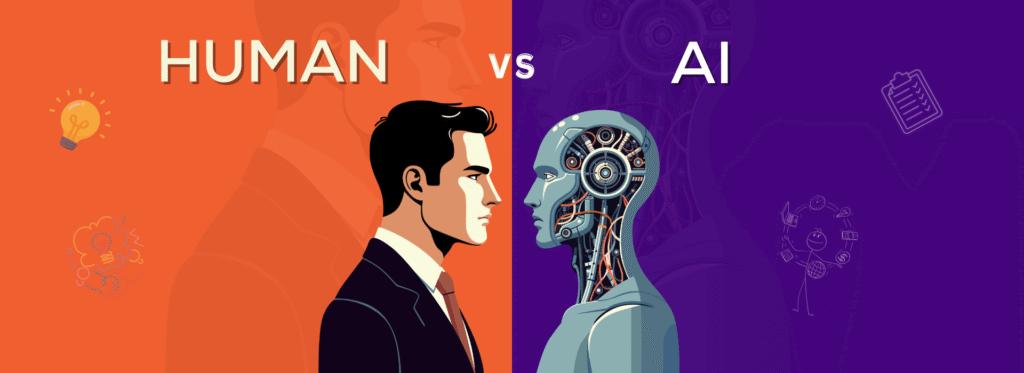
Human vs AI: Who Should Own Final Decisions in Marketing Strategy?

All Post Human vs AI: Who Should Own Final Decisions in Marketing Strategy? Author: Vinay Jadhav | Instructor at Epixable Academy Updated on: October 15, 2025 Artificial Intelligence has become one of the most powerful forces in modern marketing. Today, AI tools are not only helping marketers write content or analyze data, but are also influencing how campaigns are planned, optimized, and executed. With AI becoming smarter and more autonomous, a natural question arises: Should AI be allowed to take final decisions in marketing strategy, or should humans remain in control? This is not a simple yes-or-no question. To answer it properly, we must first understand how marketing decisions are made, what AI is truly capable of, where its limitations begin, and why human judgment still plays a critical role. Only then can we clearly justify who should own final marketing decisions. Understanding What “Decision-Making” Means in Marketing Marketing decision-making is often misunderstood because people usually see only the surface-level actions. When someone thinks of marketing decisions, they often imagine things like choosing keywords, setting ad budgets, selecting creatives, or deciding posting schedules. While these are decisions, they represent only a small part of the overall marketing process. In reality, marketing decision-making is not a single action or choice. It is a layered process that involves different types of thinking, responsibility, and impact. Some decisions are technical and repetitive, while others shape how a brand is perceived for years. Why Marketing Decisions Are Commonly Misunderstood The confusion exists because most visible decisions are execution-level decisions. For example: AI choosing the best-performing keyword A tool adjusting ad bids automatically Software recommending content ideas These decisions are easy to see, measure, and automate. As a result, many people assume: “If AI can handle these decisions, it can handle all marketing decisions.” This assumption is incorrect. Marketing does not operate on one level. It operates on multiple levels of decision-making, each requiring a different type of intelligence. Marketing Decisions Are Not Equal Not all marketing decisions carry the same weight or responsibility. Some decisions: Affect performance for a few days Can be easily reversed Have limited impact on brand perception Other decisions: Shape long-term brand identity Influence customer trust Carry ethical and emotional consequences Cannot be undone easily AI can handle certain decisions very well, but it is not designed to understand the meaning, consequences, or responsibility behind deeper decisions. Why This Matters When people argue that AI can replace marketers, they are usually looking at data-based decisions only. They see AI optimizing campaigns and assume it is making strategic decisions. In reality: AI is executing within boundaries Humans are setting those boundaries Without human-defined goals, values, and direction, AI has nothing meaningful to optimize. This is why it becomes necessary to clearly divide marketing decisions into structured layers. The Four Decision Layers in Marketing Strategy Task-Level Decisions Task-level decisions are the most basic form of decision-making in marketing. These decisions involve execution, not thinking. At this level, the goal is simple: perform a task efficiently like: Choosing which ad variation performs better Adjusting bids based on performance Scheduling content or emails Segmenting users based on behavior Running A/B tests These decisions are rule-based and depend heavily on data. They do not require emotional understanding, creativity, or strategic vision. This is where AI clearly performs better than humans . AI can process large amounts of data instantly, test multiple variations at the same time, and make changes faster than any human team. In task-level decisions, AI is not just helpful—it is necessary. However, it is important to note that task-level efficiency does not equal strategic intelligence. AI may execute tasks perfectly, but it does not understand why those tasks exist in the first place. Optimization-Level Decisions Optimization-level decisions focus on improving performance over time. This is where many marketers begin to rely heavily on AI, and where problems can slowly start to appear. In marketing, optimization means improving results using data while maintaining a good user experience and protecting brand value. For example: Reducing cost per conversion without annoying users Improving click-through rates without misleading messaging Increasing engagement without spamming audiences AI is very effective at optimization because it continuously learns from performance data. It identifies patterns, removes inefficiencies, and pushes campaigns toward better results. When Optimization Turns Into Over-Optimization Over-optimization happens when performance metrics are improved at the cost of human experience, trust, or brand reputation. AI does not understand emotional fatigue, annoyance, or long-term damage. It only understands what improves numbers. For example: If aggressive ads convert well, AI may show them repeatedly If urgency-based messaging gets clicks, AI may overuse it If frequent emails increase opens, AI may increase frequency further From a data perspective, this looks successful. From a human perspective, it feels intrusive and manipulative. This is why optimization-level decisions must always be reviewed and controlled by humans. AI can optimize, but humans must decide when optimization has gone too far. Strategic-Level Decisions Strategic decisions are fundamentally different from task or optimization decisions. These decisions define direction, not efficiency. What are the important things while taking strategic decisions: What does our brand stand for? Who exactly are we targeting, and why? What message should we consistently communicate? How do we want people to feel about our brand? These decisions involve uncertainty and long-term thinking. They cannot be derived purely from historical data because strategy is about shaping the future, not repeating the past. AI can assist by providing insights and suggestions, but it cannot truly think strategically. It does not understand market emotions, competitive positioning, or evolving consumer psychology the way humans do . At this level, humans must lead, and AI must remain a supporting tool. Ethical and Brand-Level Decisions This is the most sensitive and important decision layer. Ethical and brand-level decisions involve questions such as: Is this message respectful? Is it culturally appropriate? Does it align with our values? Could it harm or mislead people? AI has no moral awareness. It cannot feel guilt,

Human vs AI: Who Should Own Final Decisions in Marketing Strategy? Read More »

Will AI replace digital Marketers

Will AI Replace Digital Marketers? Here’s What Students Should Know in 2025.

All Post Will AI Replace Digital Marketers? The Ultimate answer for this question Author: Vinay Jadhav | Instructor at Epixable Academy Updated on: October 15, 2025 Everywhere on the internet, people are asking one big question: “Will AI replace digital marketers?” Many students , freshers and even working professionals are scared because they see tools like ChatGPT and other AI apps writing content, making ads, and doing work that humans used to do. Companies also say they want to use AI to save time and money, so it can feel like there will be no jobs left for humans in marketing But the truth is different. AI is not here to delete all marketing jobs. AI is here to change how marketing work is done and to remove some boring, repeated tasks. In this blog, you will learn what AI can do, what it cannot do, which digital marketing jobs are safe, and what skills you need to build a strong career in the age of AI How AI Is Changing Digital Marketing Today To understand the future, first let us  look at what AI is already doing right now. The impact of AI on digital marketing is visible in almost every part of the work – content, ads, SEO, and reporting. AI is not just a “cool extra tool” anymore; it has become part of daily marketing tasks in many companies. Using AI For Content Creation AI is involved in almost every stage of content: Research: AI scans many pages and gives you topic ideas, questions people ask, and gaps in existing content. Outlines: It creates clear structures (H2, H3, bullet points) for blogs, scripts, and landing pages. Drafts: Tools generate first drafts for blogs, ad copies, captions, e‑mails, and product descriptions Variations: For ads and social posts, AI creates many short versions so you can test hooks and angles quickly Using AI in ads, targeting, and budgets In performance marketing, AI is doing a lot of “behind‑the‑scenes” work that media buyers used to do manually.​ Smart bidding: Platforms like Google Ads use machine learning to set bids for each auction, based on device, time, location, audience, and hundreds of signals. Creative testing: AI rotates different headlines, descriptions, images, and videos, then pushes more budget to the best‑performing combinations. Audience building: It builds lookalike and intent-based audiences by studying behaviour, not just age or gender. Budget shifting: AI detects which campaigns, ad sets, or keywords perform better and automatically moves more budget there. Using AI in analytics, reporting and decisions One of the most powerful (but less visible) uses of AI is in analytics and reporting.​ Data analysis: AI tools scan your ad and website data and clearly show what is happening, for example, if your cost per click has increased or which audience is giving the best return on ad spend. Detection of sudden change in Data: They alert teams when something unusual happens (sudden drop in conversions, spike in cost, tracking break) so you can react quickly.​ Budget and channel optimization: AI suggests where to increase or decrease budget based on performance trends across channels. Natural language summaries: Instead of reading 20 charts, you get plain‑language notes like “Email brought 35% of revenue this week, paid search dropped 10%.” The Human Side: What Marketers Do While AI Does the Work While AI is busy handling the “repetitive work” humans are not just sitting around. They are doing the “human work” that machines cannot do. Building the Brand and Story AI can write a sentence, but it cannot tell a story that makes people cry, laugh, or trust you. Humans spend their time deciding:​ What is our brand’s unique voice? What emotions do we want our customers to feel? How do we stand out from competitors who are also using AI? Managing Relationships and Ethics Business is still about people trusting people. While AI can send 1,000 emails in a minute, it cannot build a real friendship or fix a broken relationship.​ Here is what humans do to keep the business honest and trusted: Talking to clients: AI can give you a report, but it cannot sit with a client, understand their fear of losing money, and reassure them with a solid plan.​ Handling a crisis: If a brand gets hate on social media, AI might send a robotic “Sorry.” A human knows how to apologize sincerely, fix the issue, and win back trust.​ Deciding what is right: AI just follows data. It doesn’t know if an ad is offensive, misleading, or too aggressive. Humans  decide which one to post without hurting the sentiments of the audience Protecting privacy: AI can target anyone with data, but that doesn’t mean it’s always right. You are the one who sets the limits on how customer data is used to keep it respectful and safe In short: AI is the engine, but the human is the driver. The driver decides the destination, the speed, and the safety rules, while the engine just does the hard work of moving the car Quality Control AI can sometimes lie confidently (this is called “hallucination”). It might invent a  statistic that looks real but is totally fake. This is dangerous for your brand’s reputation. Fact-checking duty: Human verify every claim AI makes. If AI says “70% of people love blue cars,” human need to check if that is actually true.​ Fixing the “Robot Voice”: AI loves to use fancy but empty words like “delve,” “landscape,” “realm,” and “tapestry.” Real humans don’t talk like that. So, that has to be changed to make sound more natural Ensuring logic: Sometimes AI writes a paragraph that sounds good but makes no sense. Human are the one who reads it and says, “Wait, this doesn’t add up,” and fixes the flow.​ In short: AI is the fast writer, but human are the smart editor. Human catch the mistakes before the world sees them. Human vs AI in Digital Marketing Humans and AI are not enemies in digital marketing; they are two different types of brains working together. AI is

Will AI Replace Digital Marketers? Here’s What Students Should Know in 2025. Read More »

The Role of Design in Modern Marketing

The Role of Design in Modern Marketing

All Post The Role of Design in Modern Marketing Author: Manjunath M B | Manager at Epixable Updated on: September 08, 2025 Here’s how to build stories through design that truly connect: Understand Your Audience – Know who they are and what emotions they respond to. Define Your Message – What story do you want your visuals to tell? Plan the Flow – Treat your visuals like scenes in a movie; guide the viewer emotionally. Apply Design Principles – Balance, contrast, and emphasis help control focus. Test & Refine – Get feedback to ensure your design tells the story clearly. Design isn’t just what you see — it’s how you feel when you see it. In the digital age, marketing is no longer just about words and numbers — it’s about experiences. And design plays a crucial role in shaping those experiences. From visuals that grab attention to layouts that guide action, the role of design in modern marketing goes far beyond aesthetics. Design is what makes a message memorable, a brand recognizable, and a campaign successful. It connects emotion with intention, ensuring that every creative decision drives a clear marketing goal. Why Design Matters in Today’s Marketing Landscape? Audiences today scroll fast and decide faster. You have only a few seconds to make an impression — and that’s where good design makes the difference. A strong design helps brands communicate trust, personality, and purpose. It simplifies complex messages and creates an instant visual connection that words alone can’t achieve. In modern marketing, great design doesn’t just catch the eye — it holds attention. The Strategic Side of Creative Design Design is not just creativity; it’s strategy in disguise. Every font, color, and layout has a psychological impact. Smart marketers understand this and use design to guide viewers’ emotions and actions. For instance: Colors evoke emotions — blue builds trust, red sparks urgency. Typography shapes tone — bold fonts demand attention, soft ones create comfort. Layouts drive flow — visuals lead the audience toward a message or call-to-action. This blend of creativity and intent makes design one of the most powerful tools in any marketing strategy. The Role of Design in Building Brand Identity A well-designed visual identity sets a brand apart. Logos, color schemes, and consistent design language build recognition and trust over time. When audiences can identify a brand just by its style — that’s design done right. Whether it’s a product campaign, social media post, or website, design ensures consistency and credibility across every platform. It helps brands speak one language — visually. How Design Enhances Marketing Campaigns? The success of any marketing campaign often depends on how well the message is presented. A strong design can turn ordinary content into an engaging experience. In digital ads: Eye-catching visuals increase clicks and conversions. In content marketing: Infographics simplify information and boost retention. In motion graphics: Animation brings stories to life, making them more memorable. When creativity meets purpose, design transforms campaigns from good to unforgettable. The Future of Marketing Is Creative and Data-Driven As technology evolves, so does design. Artificial intelligence, motion design, and interactive visuals are reshaping how marketers connect with audiences. The future will demand professionals who can balance creativity, analytics, and storytelling seamlessly. Learning creative and digital skills like graphic design, motion graphics, and digital marketing helps you stay ahead in this competitive field — no matter your background. The next generation of marketers won’t just sell ideas — they’ll design them. Conclusion: Creativity Is the Core of Modern Marketing Design gives marketing its soul. It’s the silent language that influences perception, builds emotion, and drives action. Understanding the role of design in modern marketing helps you think visually, communicate effectively, and create impact that lasts. In today’s world, creativity isn’t optional — it’s essential. Whether you’re a marketer, creator, or student, embracing design thinking is the first step to standing out in the digital space. ✨ Design with intent. Market with creativity. Grow with purpose. Have Questions? Table of content Design isn’t just what you see — it’s how you feel when you see it. Why Design Matters in Today’s Marketing Landscape? The Strategic Side of Creative Design The Role of Design in Building Brand Identity How Design Enhances Marketing Campaigns? The Future of Marketing Is Creative and Data-Driven Conclusion: Creativity Is the Core of Modern Marketing FAQs Get Hired by Leading Companies! Trained directly by industry professionals working with top, popular brands. Gain hands-on experience and work on real projects while you learn – Join Now Limited Seats Available – Apply Today Why is design important in modern marketing? Because it visually communicates a brand’s message, builds trust, and enhances audience engagement. How does design affect consumer perception? Design shapes how people feel about a brand, influencing emotions and purchase decisions.   Can marketing exist without design? Not effectively — design is essential for clarity, consistency, and emotional impact. What skills combine marketing and design? Graphic design, motion graphics, branding, and digital marketing. What’s the future of design in marketing? A blend of creativity, technology, and storytelling that connects deeply with audiences.

The Role of Design in Modern Marketing Read More »

The Role of Creativity in Shaping the Digital Future

The Role of Creativity in Shaping the Digital Future

All Post The Role of Creativity in Shaping the Digital Future Discover how creative thinking turns potential into progress. Author: Manjunath M B | Manager at Epixable Updated on: September 08, 2025 Here’s how to build stories through design that truly connect: Understand Your Audience – Know who they are and what emotions they respond to. Define Your Message – What story do you want your visuals to tell? Plan the Flow – Treat your visuals like scenes in a movie; guide the viewer emotionally. Apply Design Principles – Balance, contrast, and emphasis help control focus. Test & Refine – Get feedback to ensure your design tells the story clearly. Design Your Future: The Power of Creativity in the Digital World In the digital era, creativity has become the ultimate career currency. Whether you’re designing visuals, crafting social media content, or building digital campaigns — your ability to think creatively defines your success. The power of creativity in the digital world goes beyond art — it’s about innovation, communication, and connection. At Epixable Academy, we believe creativity is the bridge between ideas and impact. Our courses in Graphic Design, 2D Motion Graphics, and Digital Marketing are designed to help you build skills that combine imagination with technology — empowering you to design your future. Creativity Is the Heart of the Digital Economy Every brand today competes for attention online. What makes one stand out isn’t just budget — it’s creativity. From powerful storytelling to engaging visuals, creativity fuels everything from branding to advertising. The digital world rewards those who can blend creativity with data, visuals with value, and technology with emotion. When you learn how to communicate ideas creatively, you don’t just follow trends — you create them. Graphic Design: Turning Imagination into Visual Impact Design is the visual language of the digital world. Knowing how to create eye-catching visuals, strong color palettes, and meaningful layouts is what makes brands memorable. Through Epixable Academy’s Graphic Design Course, you’ll learn how to turn imagination into impact — mastering tools like Photoshop, Illustrator, and Canva. You’ll understand how to create visuals that tell stories, evoke emotions, and make brands come alive. 🎨 Creativity transforms visuals into voices that speak to the world. Motion Graphics: Bringing Ideas to Life Static images grab attention, but motion keeps it. In a world dominated by short-form videos and digital storytelling, 2D Motion Graphics has become one of the most powerful creative tools. At Epixable Academy, our Motion Graphics course teaches you how to animate your designs and create motion that moves audiences. From logo animations to digital ads, motion graphics combine art and technology to create unforgettable brand experiences. Digital Marketing: Where Creativity Meets Strategy Marketing isn’t just about promoting — it’s about connecting. Creative digital marketers know how to blend storytelling, visuals, and strategy to reach the right audience. Our AI-Powered Digital Marketing Course helps you harness creativity in every campaign — from crafting content to designing ads that convert. You’ll learn to use AI tools, SEO, and analytics to make your creative ideas perform. 💡 Creativity in digital marketing turns campaigns into conversations. Creativity Builds Future-Ready Careers Automation may replace tasks, but it can’t replace imagination. The future belongs to those who can create — and adapt. Creativity helps you think differently, solve problems, and innovate in ways machines can’t replicate. At Epixable Academy, we nurture creativity as a skill, not just a talent. Our practical, hands-on courses help you unlock your potential to build a fulfilling, future-proof career in design, marketing, or media. How Epixable Academy Helps You Design Your Future At Epixable Academy, learning is more than a course — it’s an experience that blends creativity, strategy, and technology.Here’s how we help you master the power of creativity in the digital world: Graphic Design Course: Learn visual storytelling, brand design, and digital art. 2D Motion Graphics Course: Create stunning animations and visual effects. AI-Powered Digital Marketing Course: Master content, campaigns, and creative tools that drive growth. Hands-On Projects: Work on real-world creative briefs and campaigns. Expert Mentorship: Learn from creative professionals shaping today’s digital industry. Conclusion: Creativity Is the Future You Design Today The power of creativity in the digital world lies in your ability to imagine and innovate. Whether you dream of being a designer, marketer, or creator — creativity is your ticket to standing out in a world full of noise. At Epixable Academy, we help you transform ideas into skills and creativity into a career. Because the future doesn’t belong to those who follow — it belongs to those who create. Design your future. Create your impact. Learn with Epixable Academy. Have Questions? Table of content Design Your Future: The Power of Creativity in the Digital World Creativity Is the Heart of the Digital Economy Graphic Design: Turning Imagination into Visual Impact Motion Graphics: Bringing Ideas to Life Digital Marketing: Where Creativity Meets Strategy Creativity Builds Future-Ready Careers How Epixable Academy Helps You Design Your Future Conclusion: Creativity Is the Future You Design Today FAQs Get Hired by Leading Companies! Trained directly by industry professionals working with top, popular brands. Gain hands-on experience and work on real projects while you learn – Join Now Limited Seats Available – Apply Today Why is creativity important in the digital world? Because creativity drives innovation, engagement, and meaningful communication online. Can creativity be learned? Absolutely! With the right guidance and practice, anyone can develop creative thinking and digital skills. What are the best creative skills to learn today? Graphic design, motion graphics, and digital marketing are among the top creative skills for 2025. How does Epixable Academy boost creativity? Our courses combine hands-on projects, design tools, and expert mentorship to nurture creative growth.

The Role of Creativity in Shaping the Digital Future Read More »

Why Continuous Learning Is the Key to Career Success?

Why Continuous Learning Is the Key to Career Success?

All Post Why Continuous Learning Is the Key to Career Success? Grow, Adapt, and Succeed in a Changing World Author: Manjunath M B | Manager at Epixable Updated on: September 08, 2025 Here’s how to build stories through design that truly connect: Understand Your Audience – Know who they are and what emotions they respond to. Define Your Message – What story do you want your visuals to tell? Plan the Flow – Treat your visuals like scenes in a movie; guide the viewer emotionally. Apply Design Principles – Balance, contrast, and emphasis help control focus. Test & Refine – Get feedback to ensure your design tells the story clearly. In today’s fast-changing world, one truth remains constant — learning never stops. The idea of continuous learning for career success is no longer optional; it’s essential. Whether you’re a student stepping into the digital world or a professional aiming for growth, continuous learning helps you stay relevant, creative, and confident. At Epixable Academy, we empower learners to keep evolving with industry-driven courses that blend creativity, technology, and strategy. From Digital Marketing to Graphic Design and 2D Motion Graphics, our programs ensure your growth never stands still. The World of Work Is Changing — Learn Skills That Evolve With It Continuous learning isn’t about collecting certificates — it’s about gaining confidence through practical skills. When you understand how to apply what you’ve learned, you gain clarity and courage to take on new challenges. That’s why our courses at Epixable Academy are built on a “learn by doing” approach. Whether it’s designing a brand logo in our Graphic Design Course or running a live campaign in Digital Marketing, every lesson helps you grow through real experience. Creativity and Problem-Solving: The Power of Multi-Skilled Learning Today’s careers demand both analytical and creative thinking. Learning across multiple disciplines allows you to solve problems with innovation. Our 2D Motion Graphics Course at Epixable Academy helps you express creativity through movement and storytelling — a skill highly valued in branding and marketing. Pairing this with Digital Marketing knowledge gives you a complete creative advantage in the job market. When creativity meets strategy, your career becomes unstoppable. Stay Competitive With Industry-Relevant Knowledge Employers seek professionals who evolve with trends. Continuous learning keeps your skills sharp and relevant — something Epixable Academy ensures through updated course modules, industry projects, and expert mentorship. Whether you’re learning SEO, AI tools, or content creation, our curriculum is designed to match real-time industry needs so you always stay ahead of the curve. Career Growth Through Continuous Upskilling Continuous learning directly drives career success. Every new skill you master opens doors to better opportunities and higher roles. Epixable Academy helps you do exactly that — by offering courses that blend creativity, communication, and technology. Our students don’t just learn; they transform into job-ready professionals who can adapt, create, and lead in the digital world. Every skill you learn today becomes your strength tomorrow. Simple Ways to Practice Continuous Learning with Epixable Academy Continuous learning doesn’t need to be overwhelming — it just needs to be consistent. Here’s how you can grow every day with Epixable Academy: Enroll in AI-Powered Digital Marketing — Understand real-world marketing tools and trends. Learn Graphic Design — Build visual communication skills that make brands stand out. Explore 2D Motion Graphics — Bring stories to life through creative animation. Engage in Workshops & Live Projects — Apply your learning to real campaigns. Stay Updated with Expert Webinars — Learn from industry leaders and creative mentors. By combining creativity with continuous learning, you prepare yourself for long-term career growth — not just short-term success. Conclusion: Continuous Learning Builds Future-Ready Minds In a world that never stops changing, those who continue learning never stop growing.Continuous learning for career success helps you stay ahead, think creatively, and adapt confidently to any challenge. At Epixable Academy, every course is designed to help you stay curious, keep learning, and unlock your full potential. From mastering digital tools to expressing creativity visually, your learning journey here is just the beginning of lasting career success.  Learn. Create. Evolve — with Epixable Academy. Have Questions? Table of content The World of Work Is Changing — Learn Skills That Evolve With It Creativity and Problem-Solving: The Power of Multi-Skilled Learning Stay Competitive With Industry-Relevant Knowledge Career Growth Through Continuous Upskilling Simple Ways to Practice Continuous Learning with Epixable Academy Conclusion: Continuous Learning Builds Future-Ready Minds FAQs Get Hired by Leading Companies! Trained directly by industry professionals working with top, popular brands. Gain hands-on experience and work on real projects while you learn – Join Now Limited Seats Available – Apply Today Why is continuous learning important for career success? It keeps your skills updated, helps you adapt to change, and opens new career opportunities. How can Epixable Academy help in continuous learning? Through practical courses in Digital Marketing, Graphic Design, and Motion Graphics, designed for real-world growth. Are Epixable Academy courses beginner-friendly? Yes! Our programs are built for learners at all levels — from students to professionals. What makes Epixable Academy different? We combine creativity, technology, and hands-on training to make you career-ready.

Why Continuous Learning Is the Key to Career Success? Read More »

Seraphinite AcceleratorOptimized by Seraphinite Accelerator
Turns on site high speed to be attractive for people and search engines.